
Better cat healthstartsnow.
Litter is now a health choice
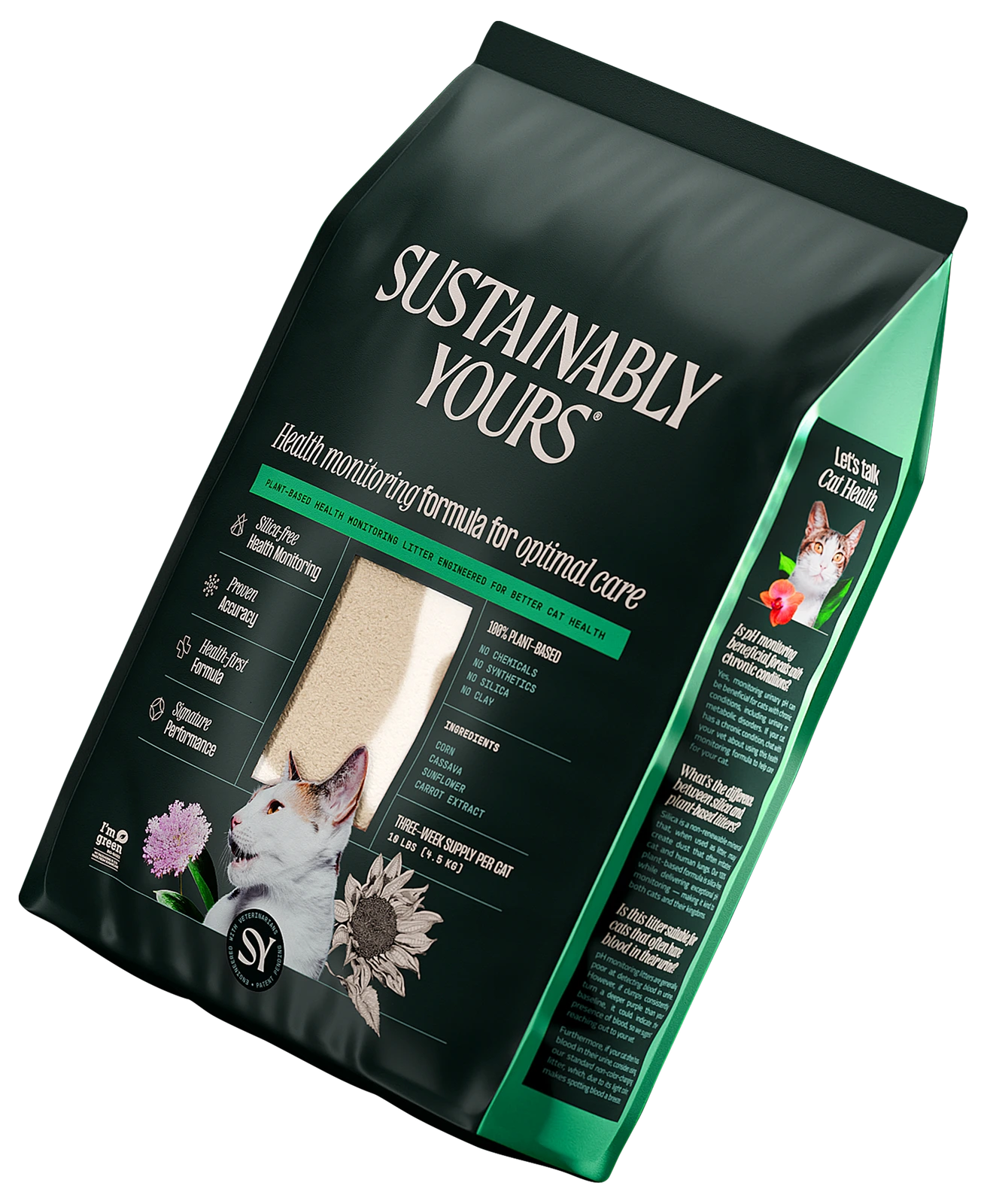
Developed with veterinarians. Backed by science. Our patent-pending formula tracks pH with proven accuracy—with no chemicals, synthetics, clay, or silica.
Think of pH-based health monitoring like a thermometer — it won’t diagnose a condition, but it can signal that something might be off. It’s a tool for awareness, not a diagnosis.
Tracking your cat's urinary pH is a helpful way to monitor their well-being and detect early signs of illness. Note that it’s natural for pH levels to fluctuate due to factors like diet, hydration, and /or medication, though they often return to baseline within 48 hours.
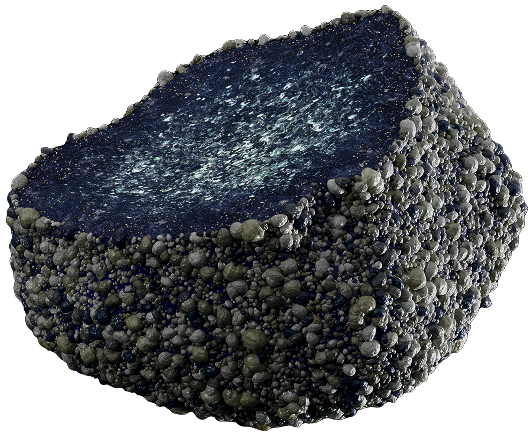
Spend the first few days observing the color of your cat’s clumps as it will serve as the baseline for identifying future changes. While purple clumps (leaning towards pink) indicate a neutral pH, every cat is unique and color differences are expected.
Scoop daily and keep an eye on clump color. If it shifts to a deeper pink or blue for more than 48 hours, consider contacting your vet. They may ask you about your cat’s water intake, litter box habits, appetite, and energy levels to help them determine next steps.
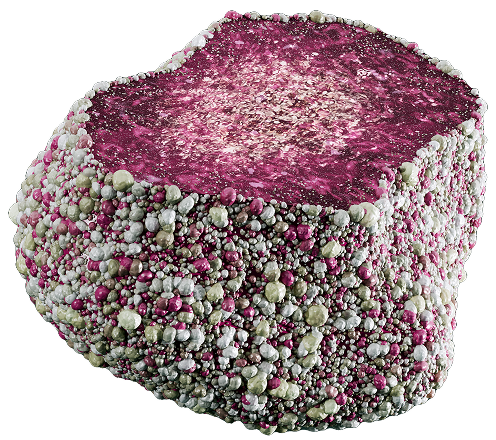
LEANING DEEP PINK
Low Ph < 6.0
A deep pink clump may indicate a risk of calcium oxalate crystals, which can lead to bladder or kidney stones. It may also be linked to stress or changes in routine, and sometimes appears during short-term changes in your cat’s body.
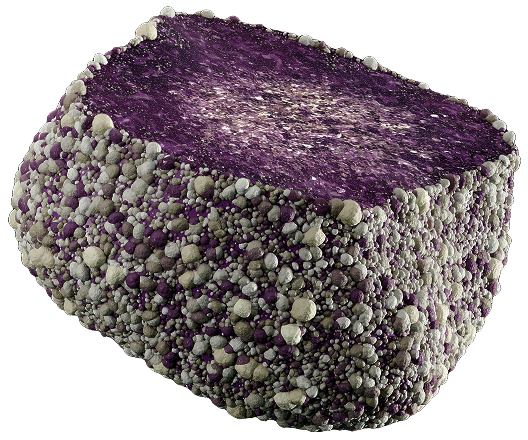
LEANING PURPLE / Light PINK
6.0 < Ph < 7.0
A purple clump typically reflects a healthy, neutral pH. If your cat’s clumps show deep pink or blue right away, it may mean their baseline is outside the expected range. In that case, checking with your vet can help clarify what’s normal for them.
LEANING DEEP Blue
High Ph > 7.0
A deep blue clump may signal a risk of struvite crystals, which are associated with urinary tract issues and bladder stone formation. It may also reflect stress or lower water intake, especially if your cat has been drinking less than usual.
Engineered for health first:
no chemicals, no synthetics,
no clay, no silica.
Here are some of the most common questions about litter and feline health. For more answers, visit our full FAQ page—and if you have a specific question about your cat, don't hesitate to reach out to us directly here.
I've heard health monitoring doesn't really work. Is that true?
It’s true that some products on the market use off-the-shelf technology not designed specifically for cats, and that’s led to skepticism around health-monitoring litter, but our approach is different. Our patent-pending formula is 100% proprietary and developed in partnership with veterinarians with one goal in mind: helping cat parents track early signs of potential health issues, easily and accurately—and we proudly stand behind the results.
Is pH monitoring beneficial for cats with chronic conditions?
Yes, monitoring urinary pH can be beneficial for cats with chronic conditions, including urinary or metabolic disorders. If your cat has a chronic condition, chat with your vet about using our health monitoring formula to help care for your cat.
What's the difference between silica and plant-based litters?
Silica is a non-renewable mineral that, when used as litter, may create dust that may irritate cat and human lungs. Our 100% plant-based formula is silica-free while delivering exceptional pH monitoring—making it kind to both cats and their kingdoms.
Is this litter suitable for cats that often have blood in their urine?
pH monitoring litters are generally poor at detecting blood in urine. However, if clumps consistently turn a deeper purple than your baseline, it could indicate the presence of blood, so we suggest reaching out to your vet. Furthermore, if your cat often has blood in their urine, consider using our original non- color - changing litter, which, due to its light color, makes spotting blood a breeze.
Will I need to constantly check the litter box?
Not at all. One key benefit of our formula is that the color change from our health monitoring technology is long-lasting—unlike other synthetic-based litters, where it may fade after just a couple of hours. That means you can check on your cat’s well-being whenever you scoop, not on a schedule. (For cleanliness, we do recommend daily litter box cleanups!)